But before you start dabbling in crafting your own bath bombs, it's crucial to understand the implications of using food coloring in this fizzy venture. In this comprehensive article, we will dive deep into the pros and cons of using food coloring in bath bombs, alternative coloring agents, and tips for creating the perfect bath bomb. One of the exciting aspects of crafting your own bath bombs at home is the ability to customize their appearance and effects.

In this article, we'll explore the ins and outs of using food coloring in your DIY bath bombs, along with tips, tricks, and creative ideas to make your bath time even more enjoyable! You don't want to find any artificial dyes or colors in the sprinkles. Sprinkles made from plant-based food dyes are good, as is a sugar sprinkle with natural food dye. Final Thoughts on Bath Bomb Colorants All in all, if you are looking for a natural way to add color to your bath bombs, give plant-based powders and clays a try! One common question that arises when making bath bombs is whether or not food coloring can be used to add a pop of color to the mix.

Food Coloring For Bath Bombs at Joseph Russo blog
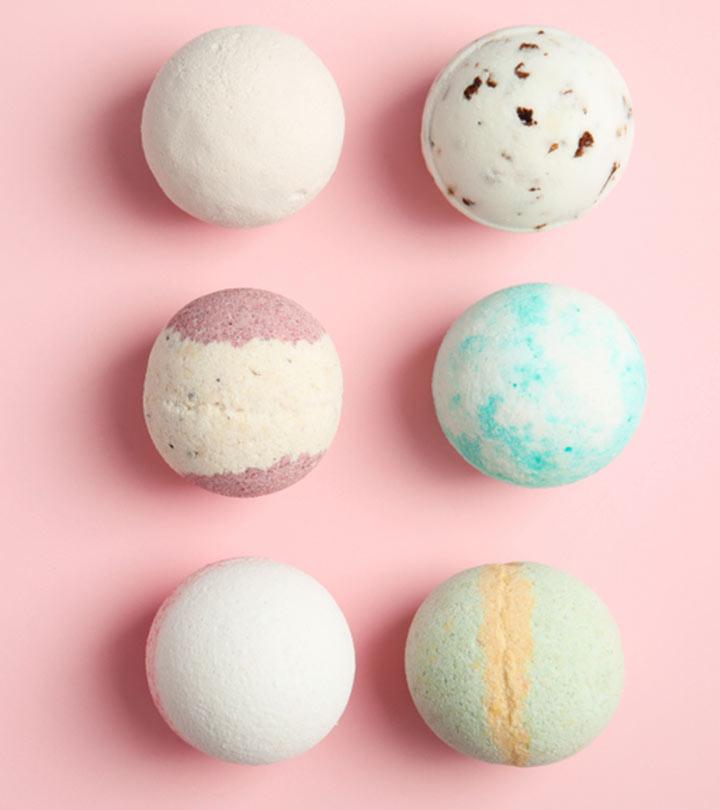
In this article, we will explore the use of food coloring in bath bombs, provide two different versions of a recipe, discuss four interesting trends related to the topic, and address twelve common concerns and. Colouring in bath bombs is a popular trend, but many people are unsure if it's safe to use food colouring in their bath. Coloring bath bombs with food colorants is a great way to make them more fun and colorful.

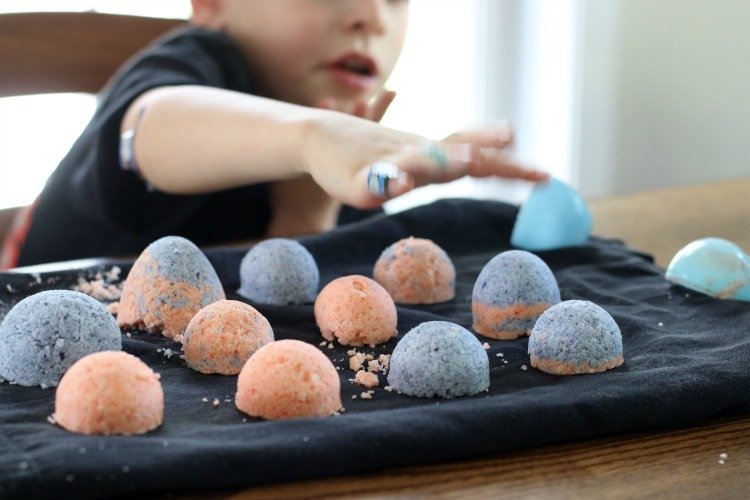
These natural colorants for bath bombs can be used in a variety of ways, but they are not recommended for use in your daily bath. Adding food coloring to the bath bombs allows children to experiment with color theory and how colors blend. By combining different food colorings, kids can learn about primary colors (red, blue, and yellow) and how they mix to create secondary colors (orange, green, and purple).
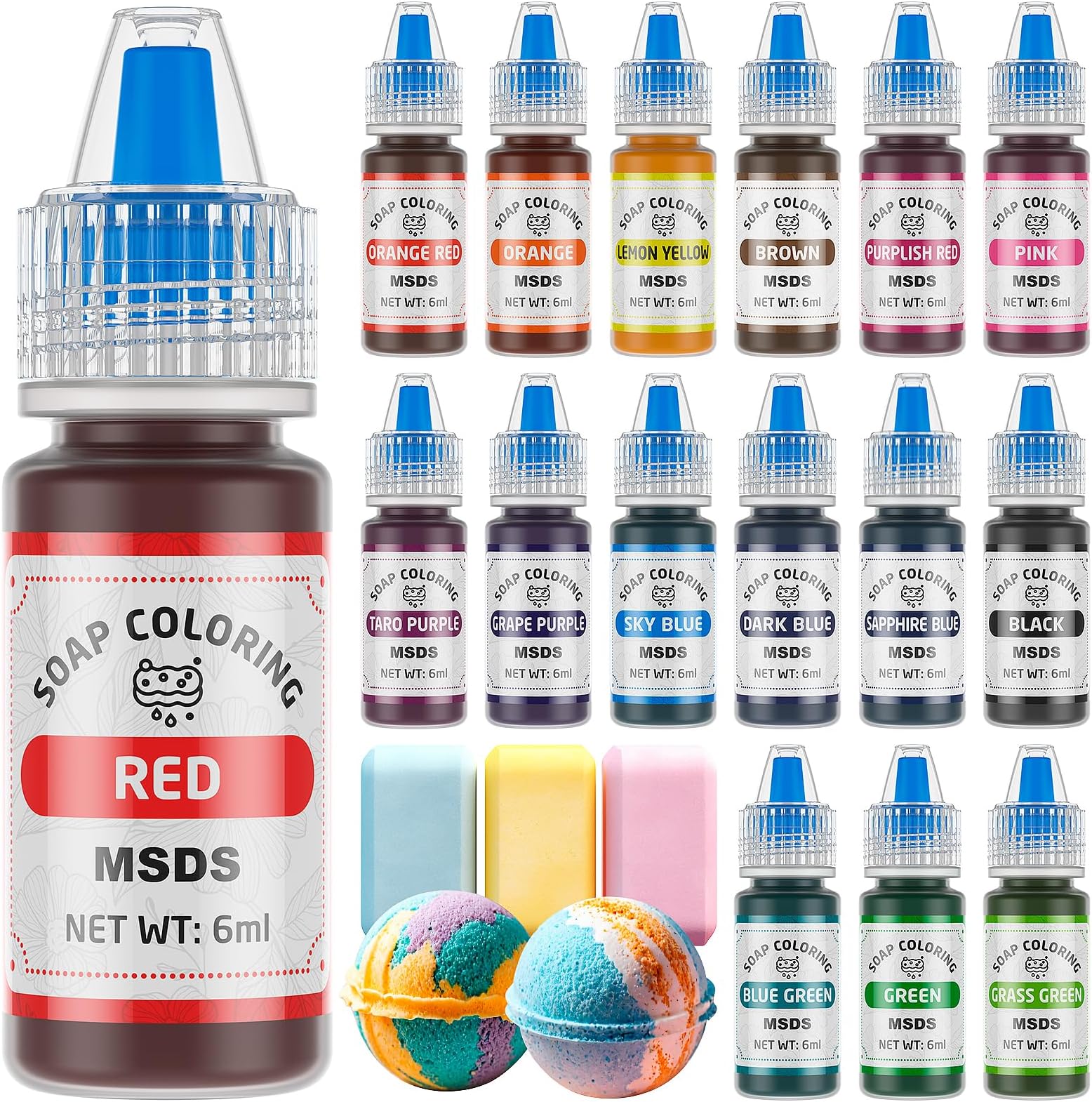
How to make bath bombs
Food coloring has become a popular ingredient in various DIY projects, including making bath bombs and coloring bathwater. While it can add a fun and colorful twist to your bathing routine, some people may be hesitant to use food coloring in their bathtub for fear of staining. So, the question remains, will food coloring stain a bathtub? Bath bombs, bath salts, and bubble bath products often come in a variety of colors and scents that can provide a fun and safe way to jazz up bath time without the potential risks associated with food coloring.
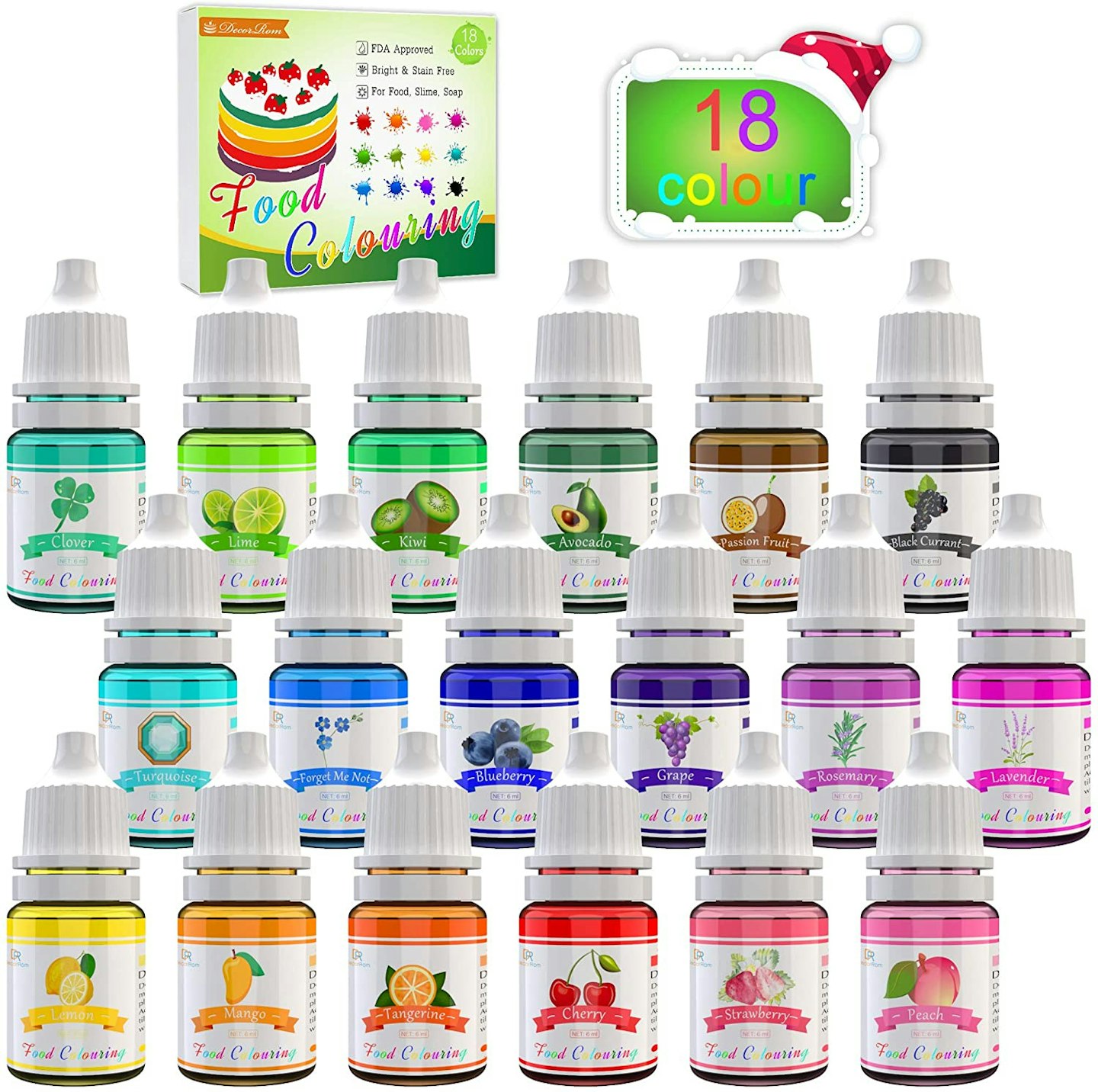
Natural Coloring Options for Bath Bombs Natural coloring is a departure from its synthetic counterparts, eschewing artificial dyes and additives for pigments extracted directly from nature. These pigments, often vibrant and rich, offer a clean and pure alternative for infusing color into various culinary and cosmetic creations. In the context of bath bomb crafting, the use of natural food.
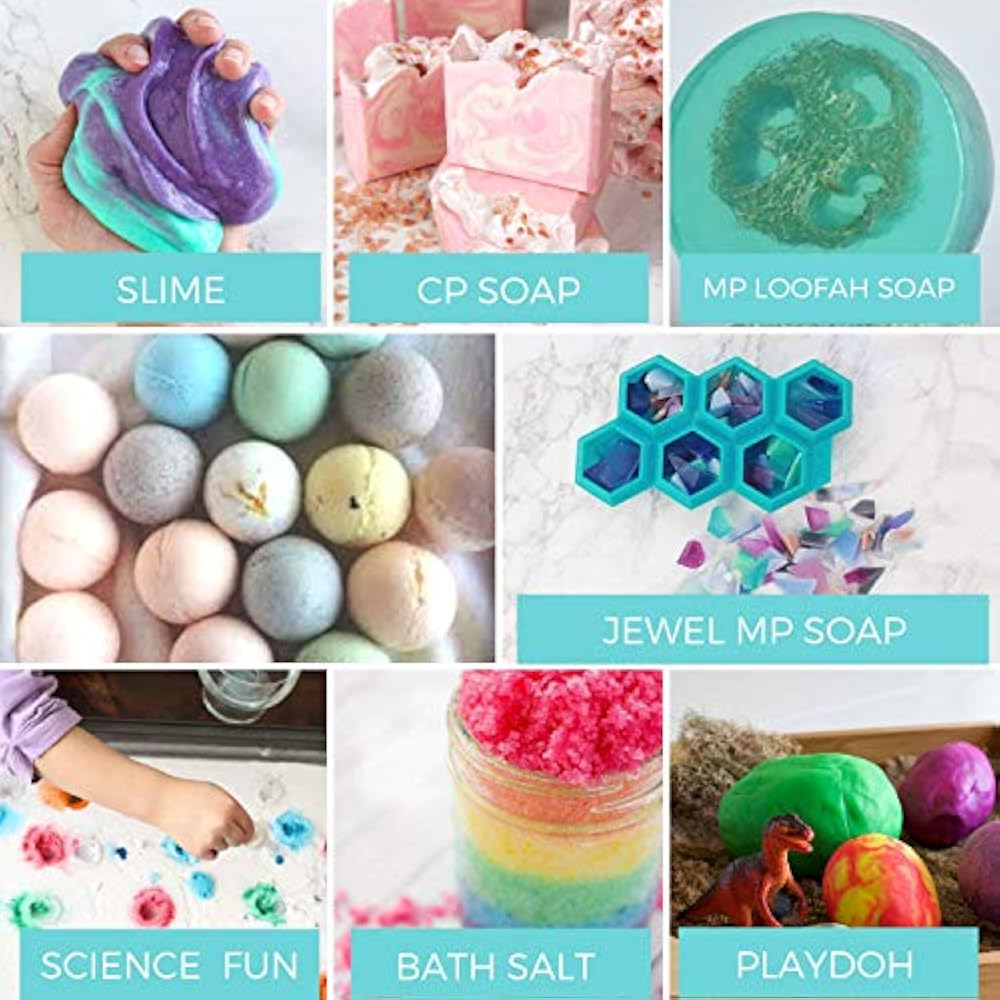
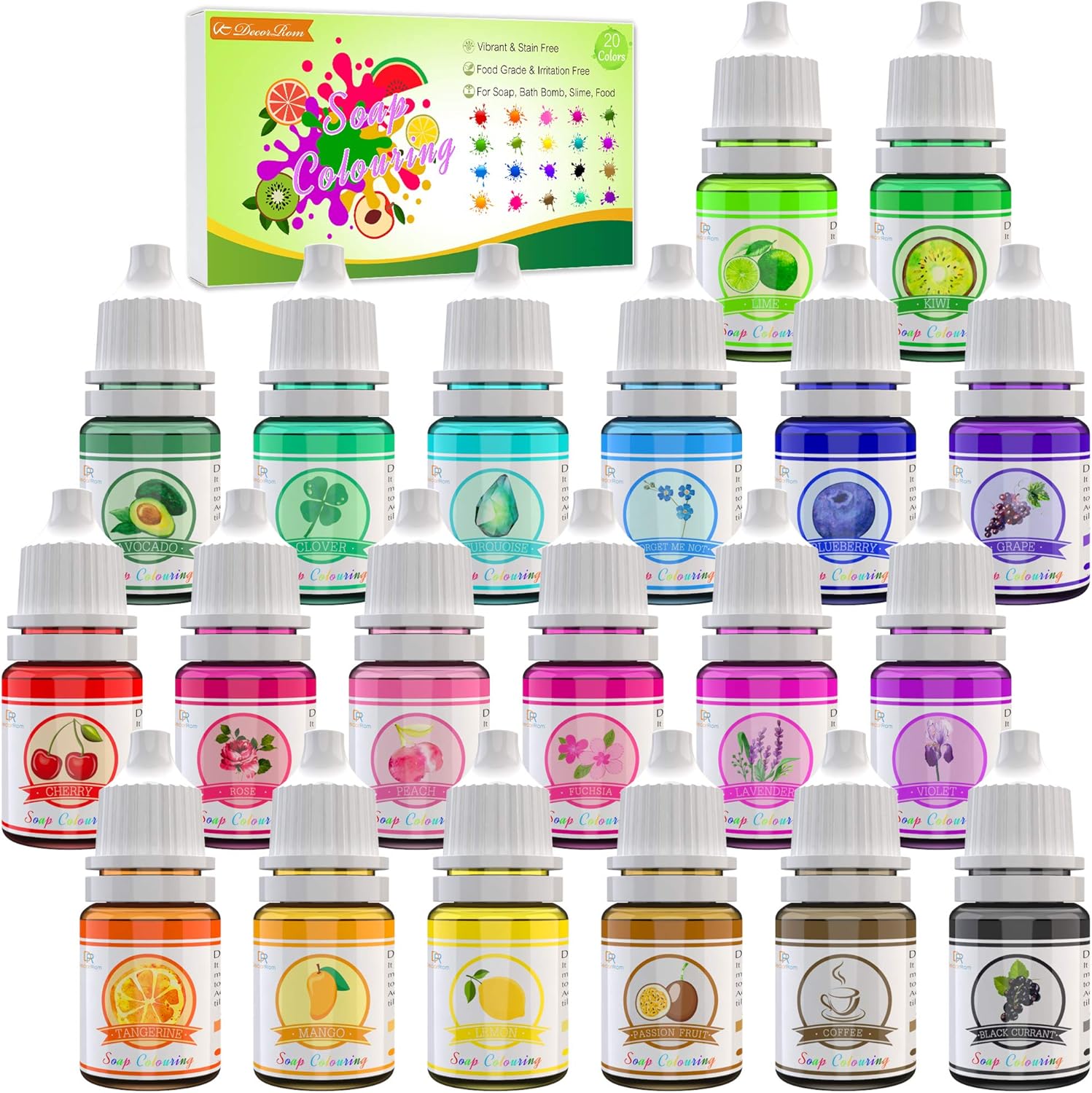
12 Colour Soap Dye - Food Grade Concentrated Soap Colouring Bath Bomb ...
For personal use bath bombs, I sometimes mixed the blooming dye with gel food coloring. But for commissions, I oftentimes use the blooming dye exclusively and just utilize the micas for exterior aesthetics. They're vivid enough on their own and adding a bit of the powder in the center of the bomb can even make it change colors.