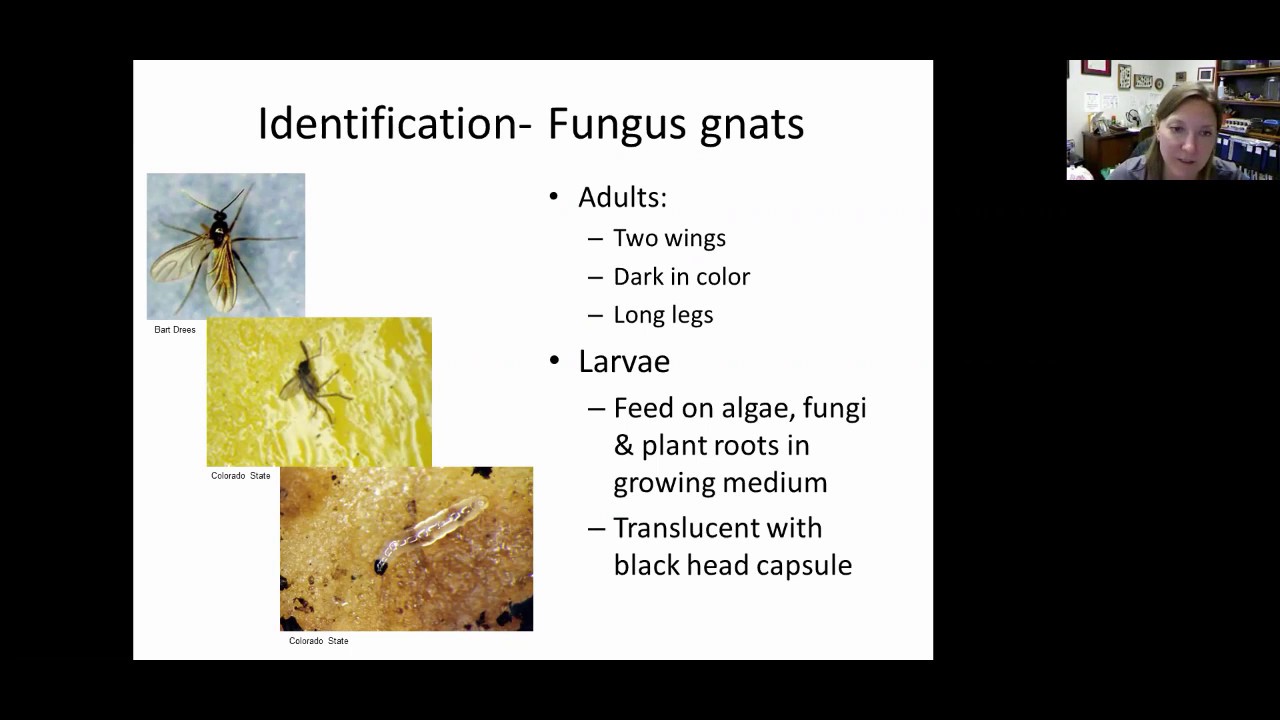
That's because female adult gnats will lay up to 300 eggs during their short life. Your bathroom is the second largest source for a gnat infestation in your home. This is because the moisture from the bathroom sink and shower make the perfect breeding ground for fungus gnats and drain flies.
However, fungus gnats also love bathrooms because of the high moisture levels and organic matter build-up in the sink and shower drains. The gnats will feed on the drain scum build-up and continue breeding in bathroom drains unless there's an intervention. Want more cleaning and organizing tips? What are fungus gnats doing in your drains and why do they choose to live there? Well, drains are actually the perfect breeding places for multiple types of gnats.
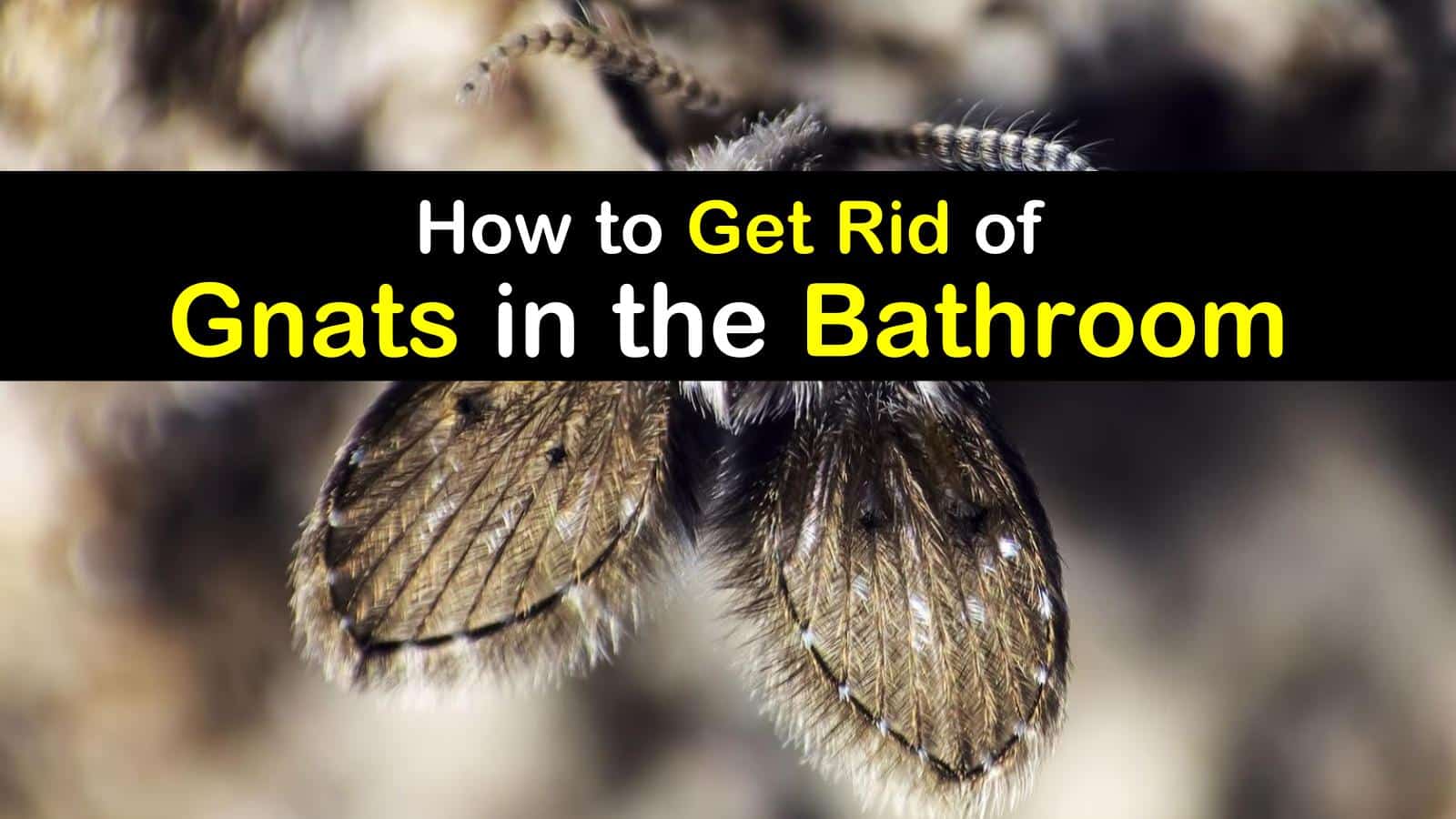
How to Get Rid of Gnats in Bathroom Drains & Sinks - Toiletseek
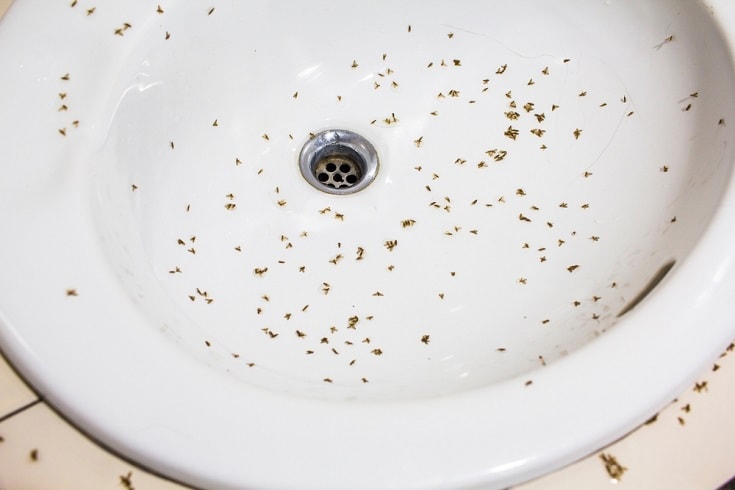
Down the drain, of course-a gnat's favorite spot in a bathroom. The first sign of a gnat infestation in the bathroom is a group of gnats crawling or flying right outside of a shower or bathtub drain. Sometimes, this can also happen in your sink.
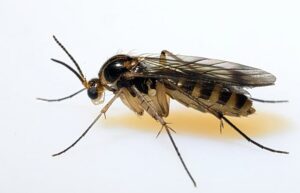
As soon as you spot something like this, you must make an effort to get rid of them right away. Gnats are a tiny nuissance that can be found in a number places in our homes. Luckily, getting rid of these pesky insects is easier than ever with these 4 suggestions.
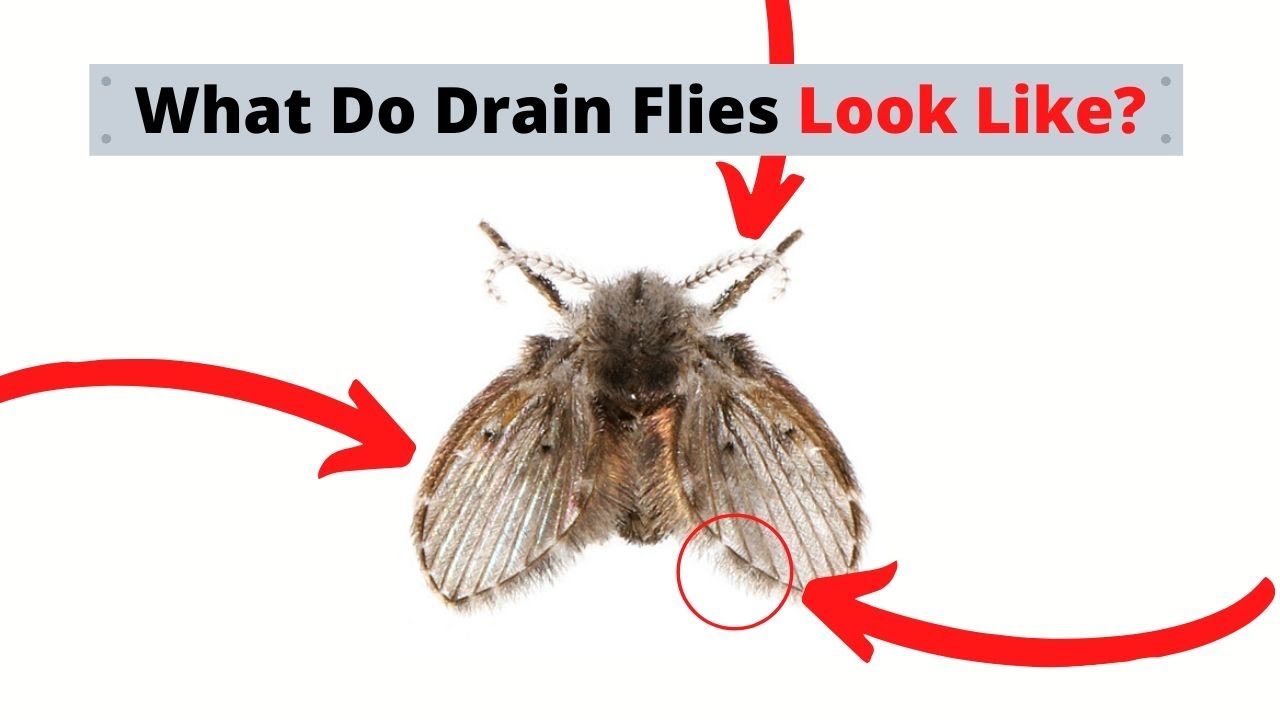
Gnats In Bathroom Sink Drain – Everything Bathroom
The tinny insects flying all over your bathroom, under the sinks, in potted shower plants and in the drain are probably gnats. While they won't destroy your bathroom fixtures, they're generally a nuisance and some species can bite through your skin, resulting in the transmission of pathogens and diseases. Addressing an infestation on time is.
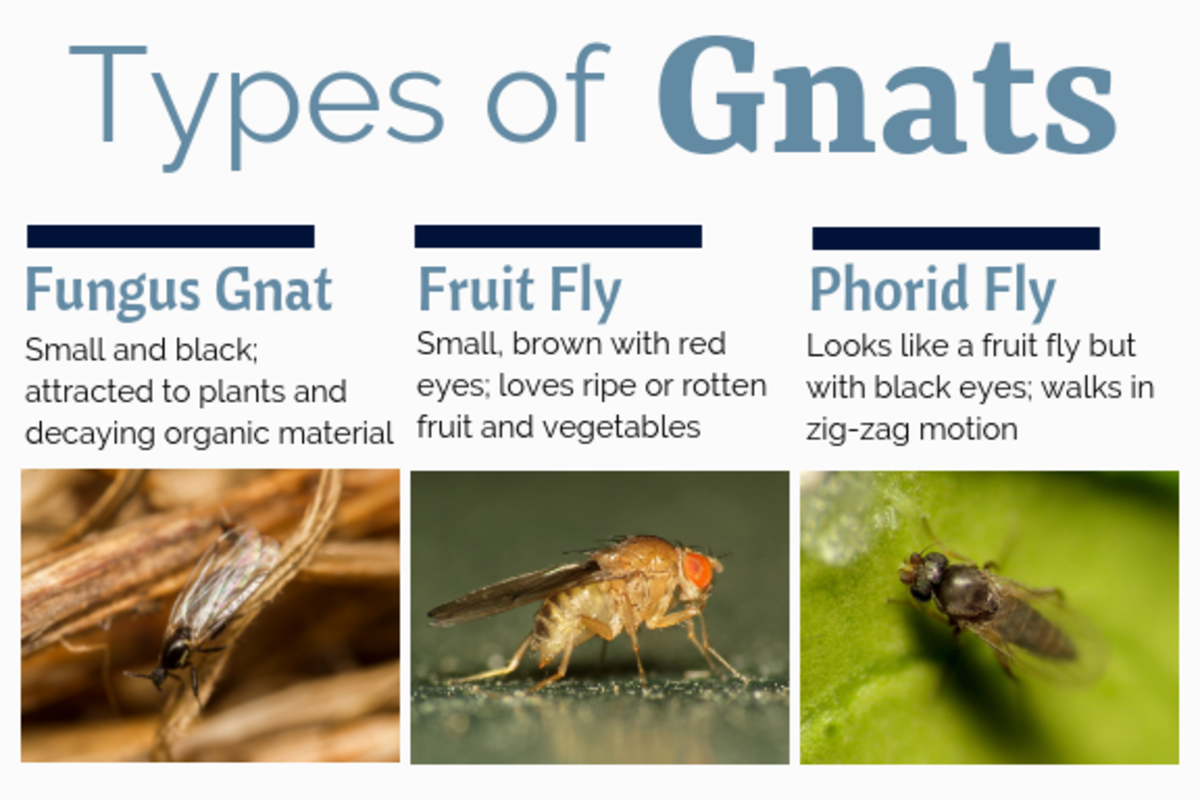
In bathrooms, gnats swarm around damp areas like drains and showers, leaking pipes or rotting cupboards, and bathroom plants. Drawn to nibble on any fungal growth they may find, they may even feast on a moldy shower door. These gnats love to infest water.
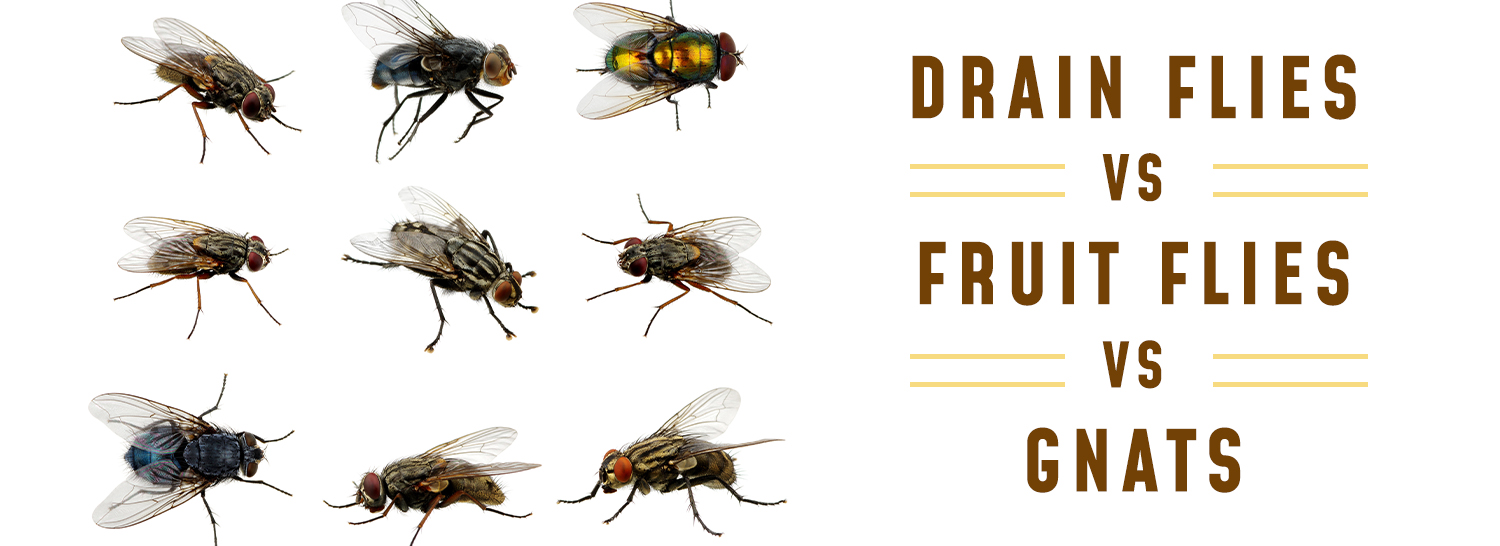
Gnats In Bathroom Sink Drain – Everything Bathroom
Bathrooms are typically warm and humid, which creates an environment where gnats, especially fungus gnats and drain flies, thrive. Factors that attract gnats in the bathroom include: Standing Water: Sinks, tubs, and showers often have water left behind after use. Even small puddles of water on counters or in sinks can attract gnats.
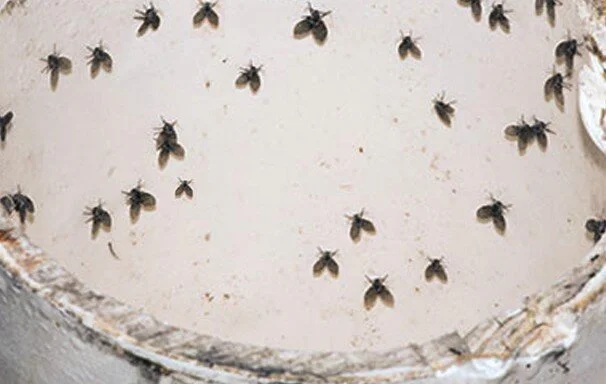
Sean Thomas, the editor of Conquer Critters, says that these bathroom gnats, typically found around water, are often called fungus gnats. "In bathrooms, they tend to live in damp or wet areas like sinks, showers, toilets, and drains," Thomas says. In conclusion, treating fungus gnats in your drain requires a multi-step approach that involves cleaning and maintaining your drains, eliminating organic matter, and using natural or chemical controls.
By following these steps and taking a proactive approach to drain maintenance, you can help to eliminate fungus gnats and keep your drains running smoothly and efficiently. Remember to always.